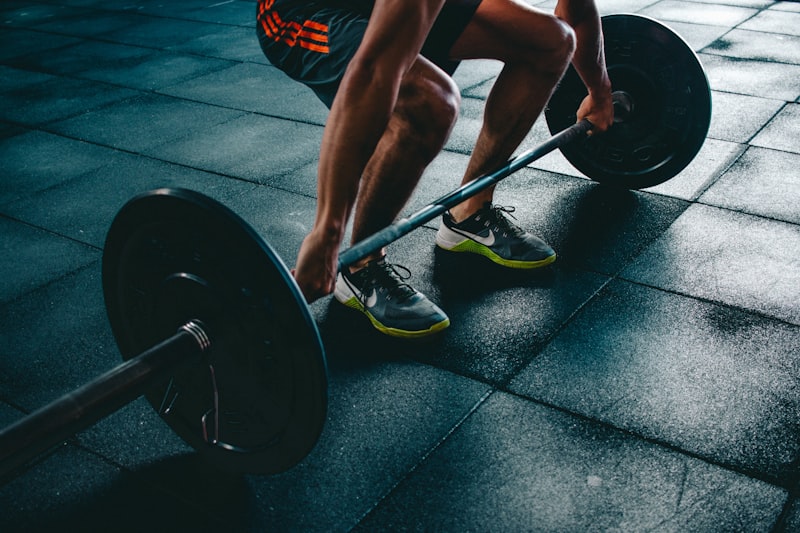
Tailored movement programs that build stamina, core stability, and mobility — without placing excessive stress on joints or your back.
Fitness that compounds over years starts with programming that respects your current limits.
Functional Movement focuses on the patterns you use every day — squatting, hinging, carrying, rotating — trained progressively so strength and mobility improve without flare-ups or injury setbacks.
Your exercise physiologist starts with a movement screen to identify tight, weak, or restricted areas, then builds a program around them. Sessions evolve as your capacity grows, so the plan never goes stale.
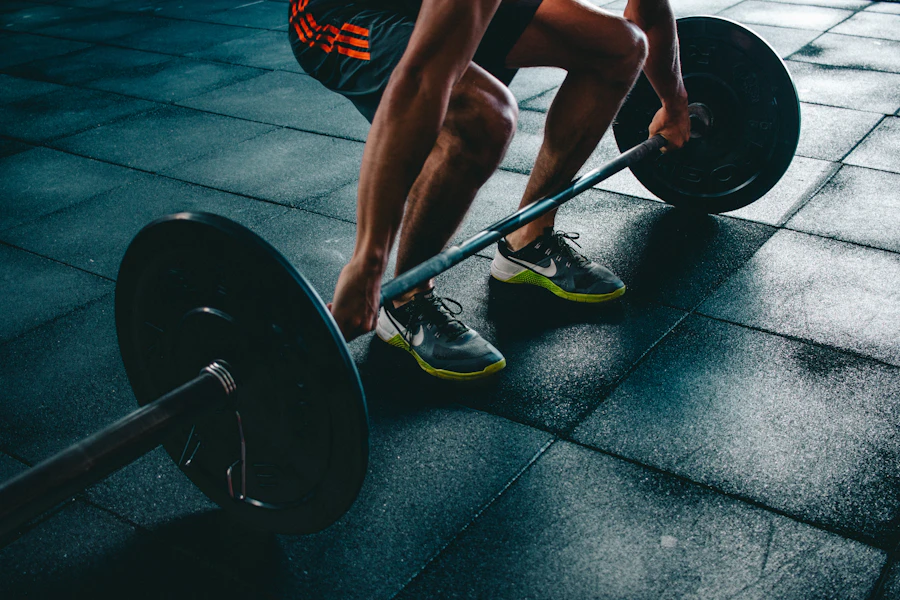
Real-world strength and mobility, not just gym numbers.
Stairs, floor transitions, and carrying groceries all get easier as core and hip stability improve. Functional exercises train your body to move efficiently through everyday activities while improving balance, coordination, and control. With consistent practice, simple movements can feel more comfortable, allowing you to navigate daily routines with greater confidence, stability, and physical independence.
Programming that strengthens stabilizing muscles first, reducing strain on joints and the lower back. Exercises are selected and progressed according to your current ability, helping you develop better movement patterns and body awareness. Proper technique, controlled progression, and appropriate recovery can help you train more safely while reducing unnecessary stress during workouts and everyday physical activities.
Progressive conditioning work builds endurance without overloading recovery capacity. Training can gradually improve your ability to sustain physical activity while keeping sessions appropriate for your current fitness level. Consistent cardiovascular work may make activities such as walking, climbing stairs, recreational sports, and longer workouts feel more manageable. The focus remains on steady progress, sustainable effort, and adequate recovery.
Compound movement patterns build functional strength that transfers to daily tasks. Instead of focusing only on isolated exercises, functional training encourages multiple muscle groups to work together through practical movement patterns. Gradually increasing resistance, repetitions, or control can help you become stronger and more capable. This approach supports everyday activities such as lifting, pushing, pulling, carrying, reaching, and maintaining stable body positions.
Every session is corrected in real time so technique — not ego — drives the progression. Paying attention to posture, alignment, breathing, range of motion, and controlled movement helps create stronger training habits. Your coach can identify adjustments as you exercise and provide clear guidance before poor technique becomes a repeated pattern. This approach keeps quality at the center of every session while allowing progression to remain practical and appropriate for your individual goals.
Programs flex around travel, injuries, or busy weeks without losing momentum. A flexible training structure makes it easier to remain consistent when your schedule changes unexpectedly. Sessions can be adjusted in duration, intensity, or exercise selection based on your circumstances and recovery needs. Instead of abandoning your routine after one difficult week, adaptable programming helps you maintain realistic progress while keeping movement a manageable and sustainable part of your lifestyle.
From movement screen to a program that evolves with you.
A physiologist assesses mobility, stability, and any current pain points or restrictions.
A progressive plan is built around your goals, equipment access, and available time.
Real-time coaching on form ensures every rep builds capacity safely.
Every few weeks, load and complexity increase based on your measured progress.
A full Personal Movement & Workout Plan is included in the Holistic Wellness plan.
Get StartedNo. Programs can be designed for home, a commercial gym, or a hybrid of both, based on the equipment you have available.
Your movement screen identifies restrictions and past injury areas up front, and your program is built around them rather than through them.
Most members train 3-4 times per week, but programs scale from 2 to 6 sessions depending on your goals and recovery capacity.
Yes — functional training paired with our nutrition program supports sustainable body composition changes alongside strength and mobility gains.
Book a free, no-obligation consultation and our specialists will design a plan around your goals.
Book Free Consultation